



Best Running Apps for iPhone
By App Store Tracker Editorial · Updated — live App Store data verified
The short version
AllTrails leads our 2026 running app ranking for its combination of mapped routes, offline navigation, and crossover hiking utility. Strava remains the social benchmark and the go-to for serious runners who want segment competition. Nike Run Club is the best free coach. Runna has quietly become the marathon-training specialist. Apple's built-in Fitness app handles basic tracking — these apps matter when you want guided programs, social features, or detailed performance analysis. None require an Apple Watch, though most pair well with one.
Jump to a pick↓
Picking a running app comes down to what kind of runner you are. A first-timer training for their first 5K wants a structured coach, not a heat map of every street you have ever logged. A marathon trainee needs pace zones, structured workouts, and recovery tracking. A trail runner needs maps that work offline and identify the actual trail, not just the GPS line. The ten apps below cover all of those use cases. We sorted picks by current US App Store ratings, recent feature work, and how each handles the iPhone-only experience (since not everyone owns an Apple Watch). Free tiers are mostly real in this category — Strava, Nike Run Club, and AllTrails all give you usable products without paying. The paid plans matter when you want structured training programs or social features beyond the basics.
- Rating
- 4.9
- Reviews
- 1M
- Price
- Paid
- 90-day trend
- —
AllTrails earns 'Best Overall' for the broadest iPhone runner — anyone who runs on trails, on park paths, on roads with mapped routes, or wants the same app for weekend hikes. The map detail is genuinely better than Strava or Nike Run Club for off-road navigation, with topographic overlays, trail difficulty ratings, and crowd-sourced photos at trail junctions. AllTrails+ unlocks offline maps that have saved more than a few lost trail runners — download the map before you leave service, and the app continues tracking GPS and showing your position on the route even when cellular drops. Recent updates added more crowd-sourced trail conditions, which matter for runners avoiding mud or downed trees after storms. The community photo and review layer is useful for scouting new routes before driving to a trailhead. The honest knocks cluster around two issues. First, the Apple Watch app has spotty compatibility with older watch generations — multiple Watch 3 reviewers flagged install failures, with one Portuguese reviewer specifically calling out that the app would not install on their Watch 3. Second, the freemium model has tightened over the last year with more features behind the AllTrails+ paywall (around $36 per year), and some longtime free users feel the value has eroded. If you only run on roads and never see a trail, Strava is the better single pick. If you mix terrain, AllTrails is the right one app to keep installed.
Pros
- Map detail is the best in the App Store for trail and park running
- Offline maps via AllTrails+ have rescued more than a few lost trail runners
- Crowd-sourced trail conditions help avoid mud and storm damage
Cons
- Apple Watch 3 install failures reported by multiple reviewers
- Freemium model has tightened with more features behind paywall
- Rating
- 4.8
- Reviews
- 746.2K
- Price
- Paid
- 90-day trend
- —
MapMyRun earns 'Best Cross-Platform' for one specific reason that does not show in App Store ratings: the website is significantly more powerful than the mobile app for route planning, analysis, and historical data review. Longtime users (one reviewer mentioned 10 years of use including four half marathons) describe it as a reliable workhorse that handles distance tracking, splits, audio cues, Apple Watch integration, and shoe-mileage tracking for those who want to know when to replace their running shoes. The Under Armour-owned ecosystem includes MapMyRide and MapMyFitness, which sync naturally for multi-sport athletes who alternate between running and cycling. The free tier covers basic tracking and route logging without aggressive paywalls. The honest reviews flag two issues that should weigh against the long-history advantage. First, the MVP (paid) tier has documented bugs around training plans where workouts get deleted or modified unexpectedly mid-cycle — one reviewer described upgrading to MVP specifically for training plan access only to find runs getting deleted from their history. Second, the website-first design philosophy means some features feel awkward on iPhone compared to Strava's mobile-first approach, with deeper analysis still requiring desktop access. Pricing is around $30 per year for MVP. Best for runners who already have multi-year history in the Under Armour ecosystem and want to keep the continuity; new users will probably be happier on Strava.
Pros
- Long history (10+ years for many users) with consistent reliability
- Under Armour ecosystem syncs naturally with MapMyRide and MapMyFitness
- Website route-planning tools are more powerful than competitors
Cons
- MVP paid tier has documented bugs where training workouts get deleted or modified
- Mobile experience feels awkward compared to mobile-first Strava
- 3Get on App Store
#3ASICS Runkeeper—Run TrackerBest for Tracking
ASICS Runner App, Inc.
Running App and Training Plans
- Rating
- 4.8
- Reviews
- 376.7K
- Price
- Paid
- 90-day trend
- —
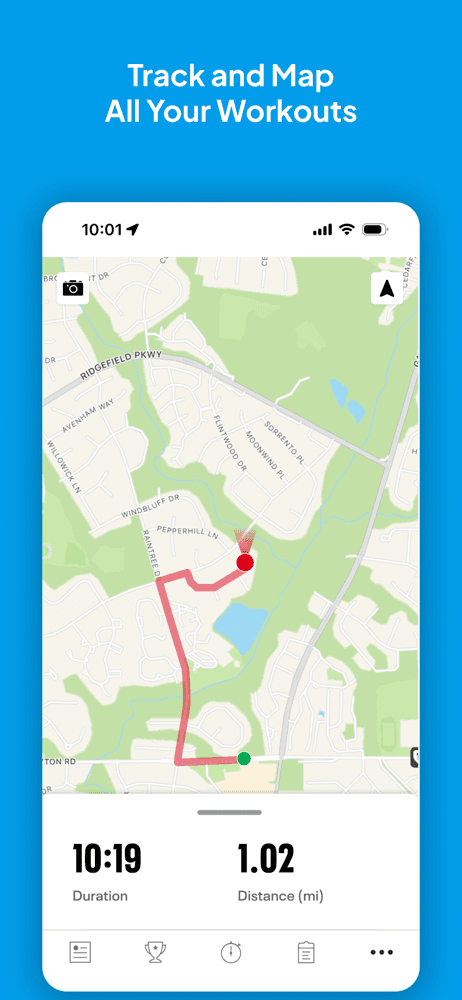
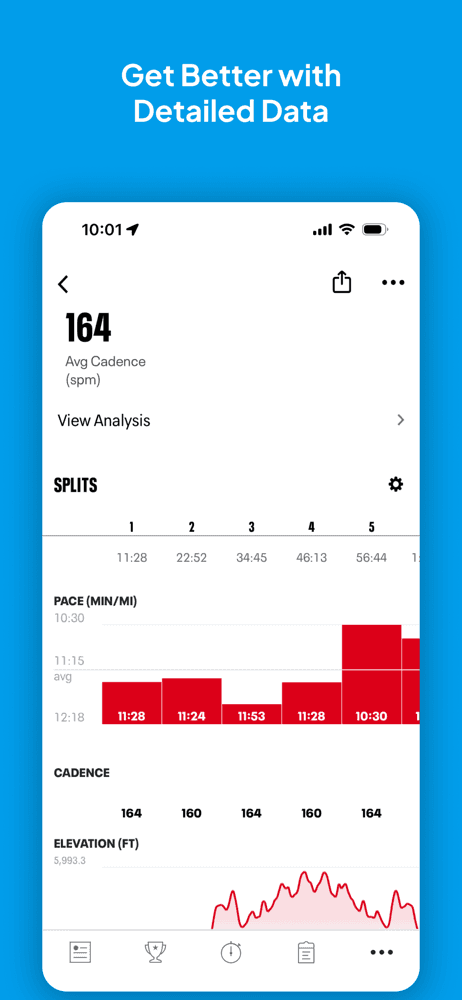
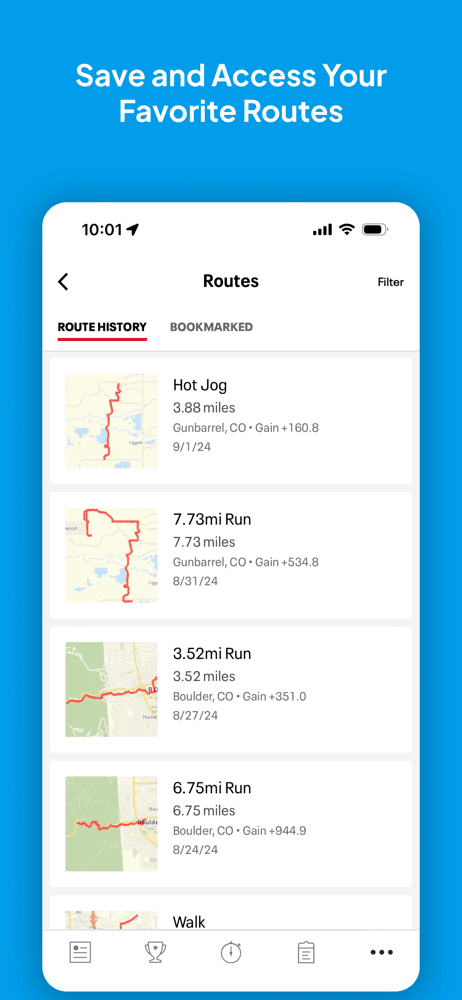
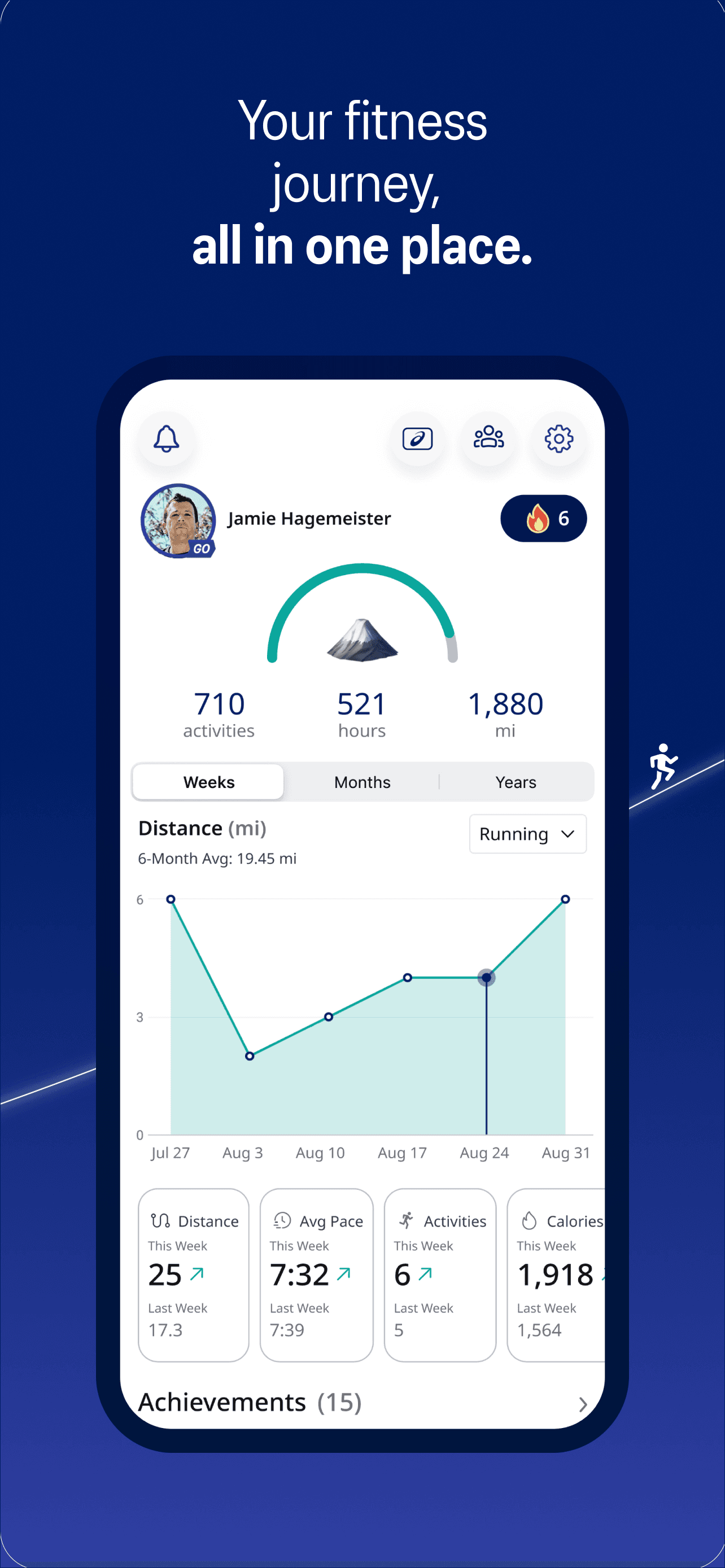
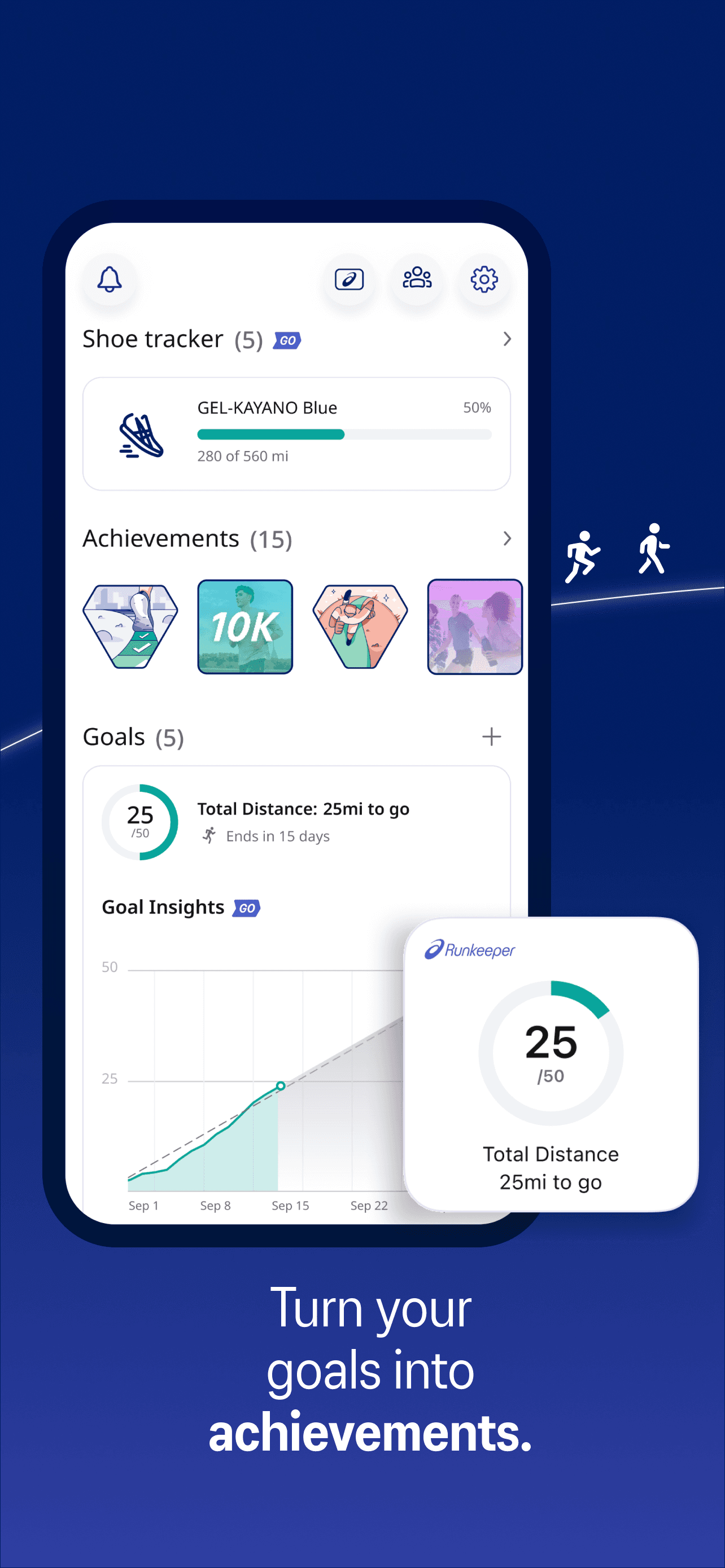
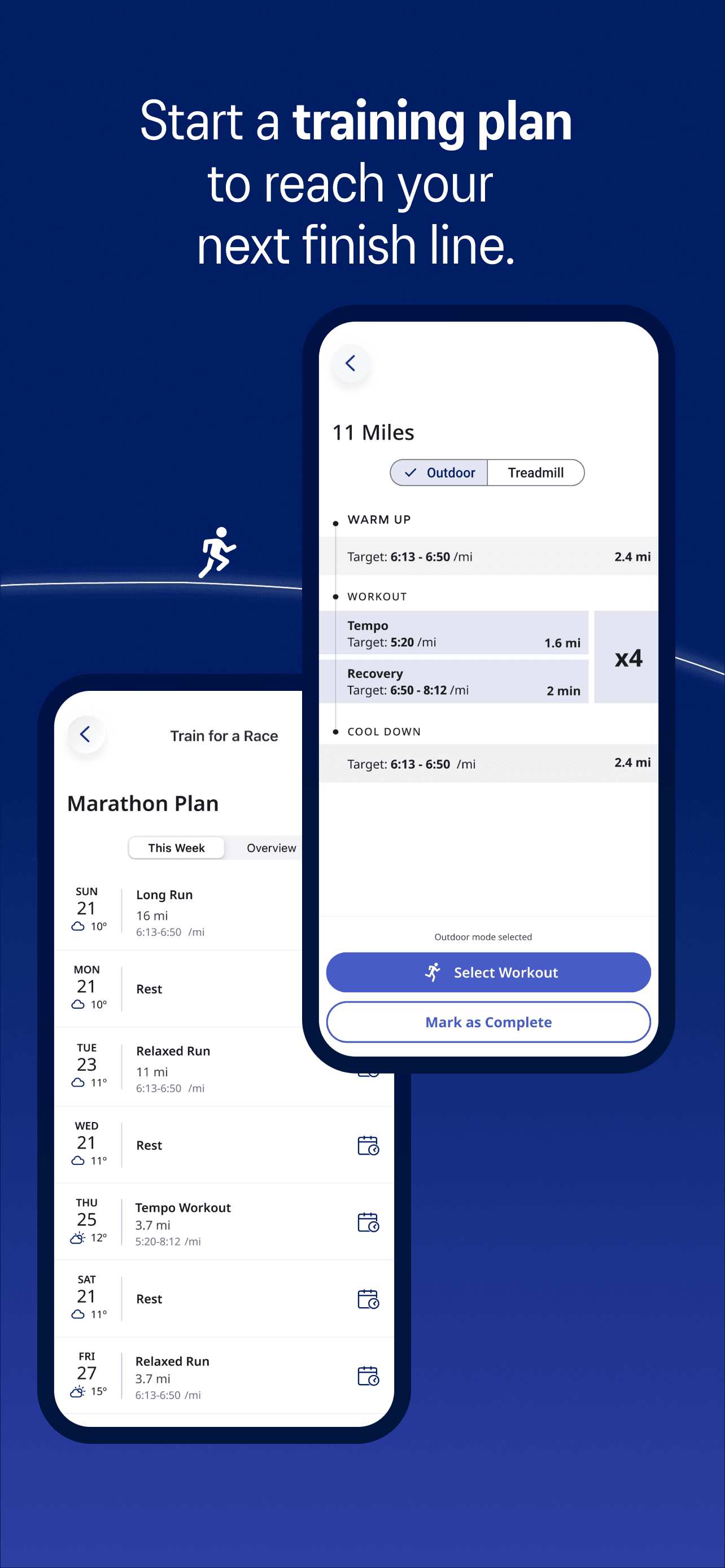
ASICS Runkeeper is the elder statesman of running apps and has earned its 'Best for Tracking' position through 15+ years of consistent updates and reliable GPS tracking. The free tier covers basic tracking, audio cues, route history, and integration with Apple Health for syncing workouts across the iOS fitness ecosystem. The paid 'Go' subscription (around $40 per year) unlocks structured training plans, including marathon and half-marathon programs designed by ASICS coaches, plus advanced analytics for pace zones and recovery tracking. Honest reviews flag the same pattern that shows across the category: longtime free users who upgraded to paid plans, found the value thin, and downgraded back to free. One French-language reviewer described feeling 'scandalized' after a renewal experience where the auto-conversion happened before they could evaluate the paid features. Tracking accuracy is competitive with Strava — both rely on iPhone GPS, both handle pauses for tunnels and signal loss gracefully — and Runkeeper's audio cue customization is one of the more thoughtful in the category, letting you choose what stats get called out and how often. One reviewer noted that interval workout displays on Apple Watch lack distance or time-remaining indicators that competitors include. If you want a deep training-plan library and the social side of running matters less to you than the data, Runkeeper is solid. For most modern runners, Strava's social layer makes it a better daily app.
Pros
- 15+ years of consistent updates and reliable GPS tracking
- Free tier covers basic tracking, audio cues, and route history
- Deep library of structured training plans on the Go subscription
Cons
- Longtime users describe paid-tier value as thin after renewal
- Apple Watch interval displays lack distance or time-remaining shown by competitors
- Rating
- 4.8
- Reviews
- 415.5K
- Price
- Paid
- 90-day trend
- —
Nike Run Club earns 'Best Free' for one simple reason: there is no paywall. Guided audio runs with Nike coaches, structured training plans (5K, 10K, half marathon, marathon), distance challenges, badge achievements, and social features are all free without subscription. The 'Coach Bennett' guided runs in particular have a cult following among new runners, with sessions designed around specific paces, recovery, and motivational themes. The celebrity-led audio sessions (Eliud Kipchoge, Mo Farah) are genuinely well produced — these are not phoned-in voice-overs but full audio experiences with music. Nike's broader strategy is loyalty to the brand, not subscription revenue, so the lack of paywall is sustainable and unlikely to change. The honest knocks cluster around the Apple Watch app, which multiple reviewers across languages flag as buggy — UI lag after a few kilometers, occasional data loss on first long runs (one French reviewer described losing a 10K run twice in two months), sync failures between Watch and iPhone after long workouts, and watchOS version compatibility issues after iOS updates. The iPhone-only experience is rock solid; the Watch experience is hit or miss depending on Watch generation and workout length. If you are starting to run or want free structured coaching, this is the default pick. If you depend on Watch-side tracking for long marathon training runs, have a backup plan.
Pros
- No paywall — guided runs, training plans, and challenges are all free
- Celebrity-coached audio sessions (Bennett, Kipchoge, Farah) are well produced
- Strong iPhone-only experience without requiring an Apple Watch
Cons
- Apple Watch app has documented UI lag and occasional data loss on long runs
- Watch-to-iPhone sync fails for some users after long workouts
- Rating
- 4.8
- Reviews
- 359.9K
- Price
- Paid
- 90-day trend
- —
Strava is the social benchmark and the right pick for runners who want segment competition, route discovery, and a community feed that motivates you to keep running on bad-weather days. The free tier covers tracking, basic post-run analysis, and the social feed where friends can give 'kudos' to your runs. Strava Premium (around $80 per year) unlocks segment leaderboards with detailed performance against past attempts and other athletes, route planning with heatmaps showing where other runners actually go, and detailed performance trends over months and years. The 'Mode Sombre' (French for 'dark mode') reviewer comment is representative — Strava users are passionate about small UI details because they spend a lot of time in the app reviewing their data. The honest issues span two categories. First, data-loss reports during long rides and runs are sustained complaints, with one reviewer describing dropped GPS data on long rides that turned a 40-mile ride into incomplete segments after months of completing challenges. Second, an aggressive free-trial-to-paid funnel that some users dispute — one reviewer specifically described being unable to access the advertised free trial without committing to a subscription. Strava's competitive advantage is the social graph: if your running friends are on Strava, the kudos and segment competition keep you running. If you run alone and do not care about the social side, Nike Run Club is a better free pick.
Pros
- Social graph and segment competition keep runners motivated on bad days
- Route planning with heatmaps helps discover new running paths
- Strong detailed analytics on Strava Premium
Cons
- Sustained data-loss complaints during long rides and runs from some users
- Aggressive free-trial-to-paid funnel that some users dispute
- 6
 Get on App Store
#6C25K® 5K Running Coach & MapBest for Beginners
Zen Labs
Run Training - Couch to Runner
- Rating
- 4.8
- Reviews
- 170.1K
- Price
- Paid
- 90-day trend
- —
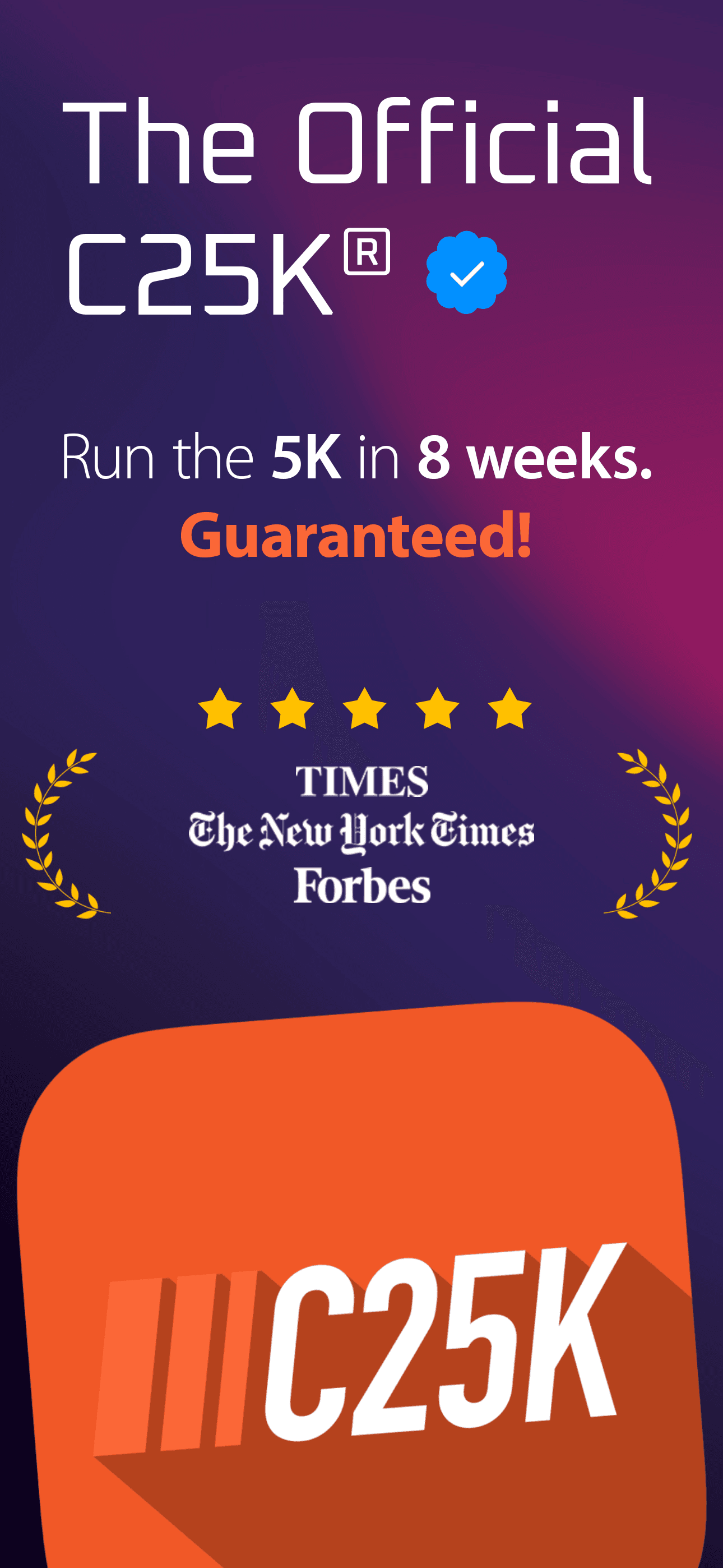
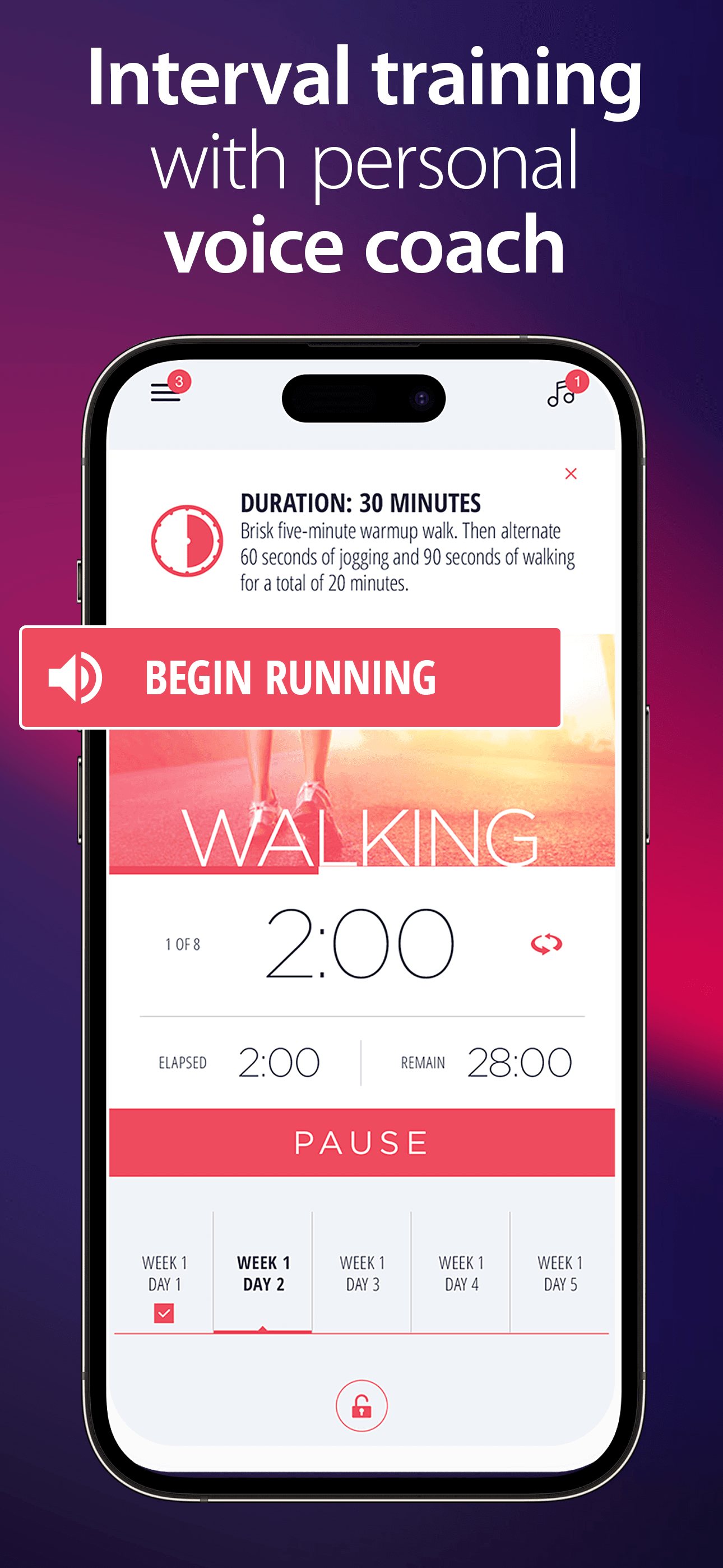
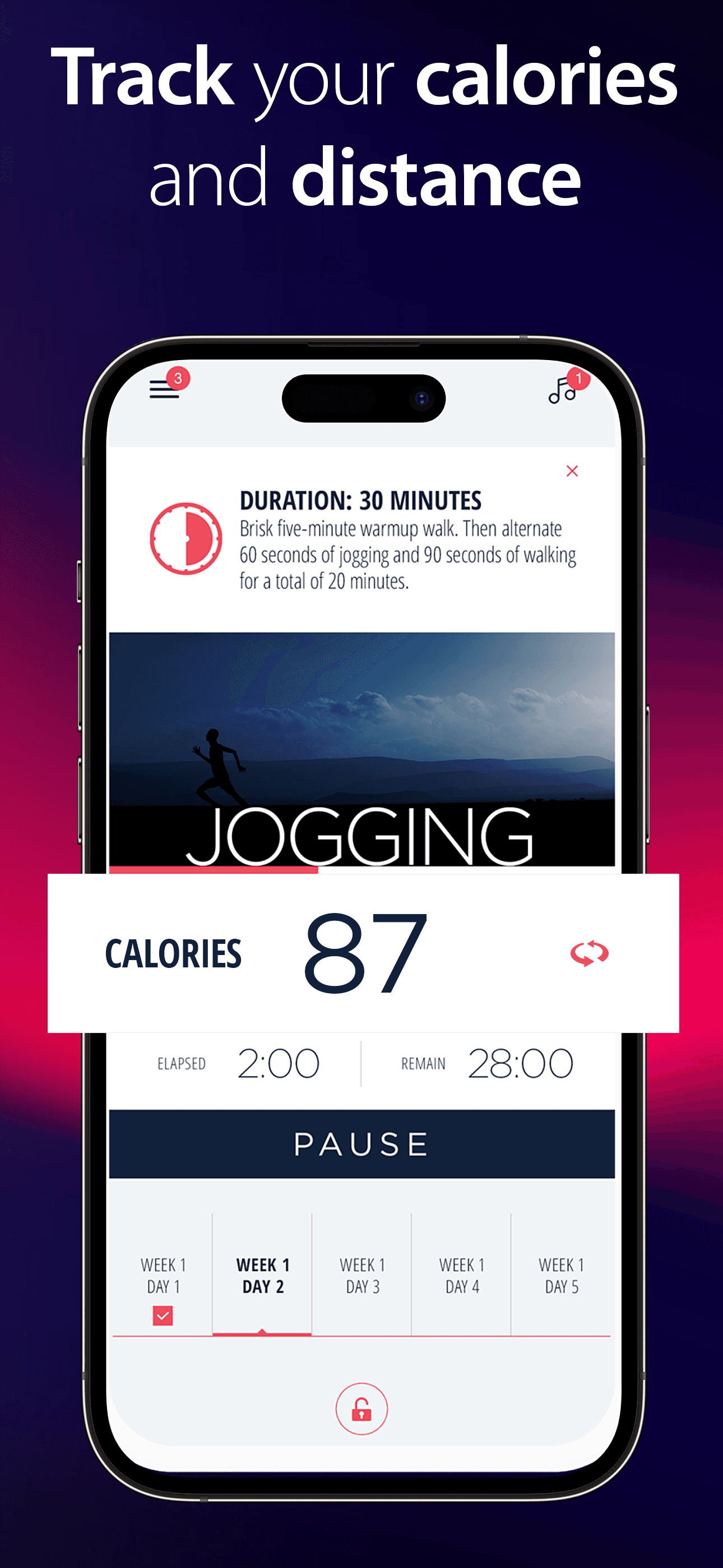
C25K is the original Couch to 5K app from Active Network and earns 'Best for Beginners' status alongside the standalone Couch to 5K Runner below. The structured 9-week program from couch to a 30-minute continuous run remains the most effective first-time runner program in the world — published research backs the basic structure of alternating walk and run intervals progressively over nine weeks. The C25K iPhone app delivers this cleanly with audio cues that tell you when to walk and when to run, with no on-screen interaction required once you start a session. There is no aggressive paywall — the core program is available without subscription, which sets it apart from most fitness apps that charge $50+ per year for similar structured plans. The honest knock is that the app has not seen major updates in years, and the interface looks dated next to Nike Run Club or Strava — the design feels like 2018 even though the program itself remains effective. Apple Health integration works but is limited compared to newer apps. Some reviewers note that the app crashes occasionally on newer iPhones. For a first-time runner who just wants the proven 9-week program and audio cues, this is genuinely the right app — once you finish C25K, graduate to Nike Run Club or Strava for ongoing structured plans and a richer experience. The simplicity is the feature.
Pros
- Proven 9-week Couch to 5K program with no paywall
- Audio cues for walk-run intervals work cleanly without subscription
- Lightweight app that focuses on doing one thing well
Cons
- No major updates in years; interface looks dated next to Strava or NRC
- Occasional crashes on newer iPhones
- Rating
- 4.9
- Reviews
- 118K
- Price
- Free
- 90-day trend
- —
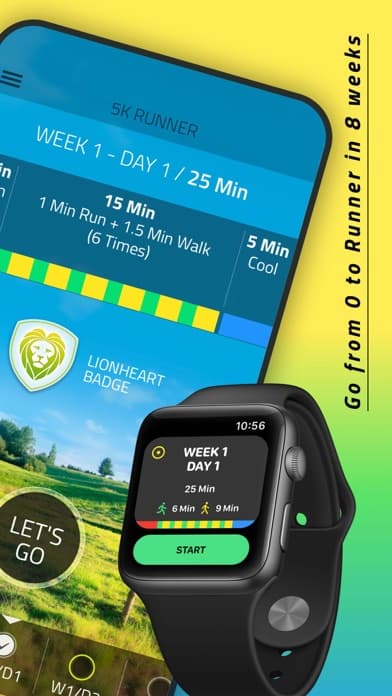
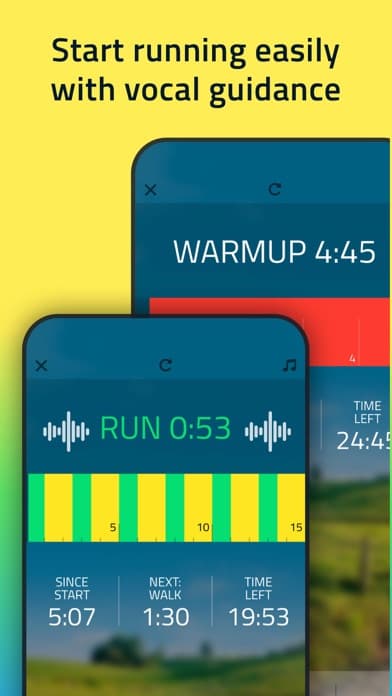
Couch to 5K Runner is the alternative Couch to 5K implementation from Zen Labs that has earned a strong 4.82 rating with about 233 US ratings. The program is the same 9-week Active.com curriculum delivered by different developers with small UX differences. The standout feature is the music integration — the app handles music control more smoothly than the original C25K app, which matters because most first-time runners need music to push through the early weeks when running for 90 seconds at a stretch feels impossibly hard. Reviewers describe it as 'really helpful as a first time runner,' with one female reviewer in her mid-thirties specifically calling out the encouragement of the audio cues for someone who had never attempted to train. The interface is slightly more polished than the original C25K, with a calendar view showing your progress and motivational badges for completing weeks. The honest knocks include occasional sync issues with Apple Health that require manually re-exporting runs, and a long-running complaint about a subscription model that some users find frustrating after years of perpetual ownership. One reviewer described tearing their MCL during training and wishing for a more graceful recovery accommodation in the program. Worth comparing head-to-head with the original C25K before committing — both deliver the same proven program with small UX differences and similar pricing.
Pros
- Same proven 9-week Active.com program with stronger music controls
- 4.82 star average reflects strong product-market fit
- Slightly more polished interface than the original C25K
Cons
- Occasional sync issues with Apple Health
- Subscription model frustrates users expecting perpetual ownership
- Rating
- 4.9
- Reviews
- 30.6K
- Price
- Paid
- 90-day trend
- —
Runna earns 'Best for Marathon Training' through one specific feature that has quietly transformed serious runner training in 2024 and 2025: AI-adaptive training plans that adjust based on your actual performance week by week. You input your goal race (5K through marathon), current fitness level (recent race times or VO2 max if known), and weekly availability; Runna builds a plan calibrated to your starting point and modifies it when you miss workouts, run faster than expected, or report fatigue. The 4.94 star rating is exceptional and reflects strong product-market fit with serious runners who want structured training but cannot afford a human coach at $200+ per month. Coaches are typically only available to elite athletes; Runna brings the same plan philosophy to amateurs. Honest reviews flag two issues that should be weighed against the strong overall reception. First, the V3 update introduced bugs that affected some users for several weeks — one German reviewer described using the app for six weeks before V3 issues frustrated them enough to consider switching. Second, the app does not yet support French (and some other languages) fully, which has limited international growth — a French reviewer specifically requested translation. Pricing is around $20 per month or $120 per year — the most expensive in this list — and it earns the price for serious training but is overkill for casual runners. Best for anyone training for a specific goal race (10K to marathon) who wants algorithmic plan adjustment.
Pros
- AI-adaptive training plans that adjust based on actual weekly performance
- Best-in-category 4.94 star rating from serious runners
- Comprehensive plans for 10K through marathon distances
Cons
- V3 update introduced bugs that affected users for several weeks
- Pricing around $20/month is the most expensive in the category
- Rating
- 4.7
- Reviews
- 27.2K
- Price
- Paid
- 90-day trend
- —
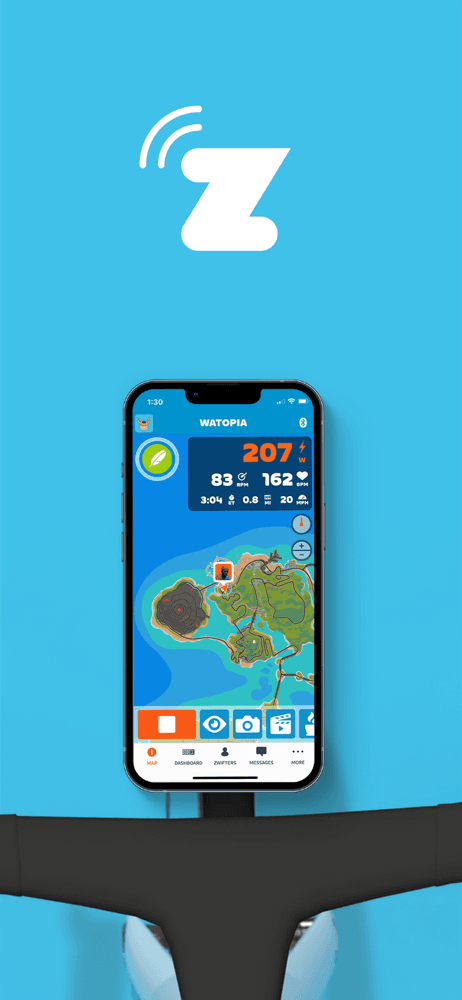
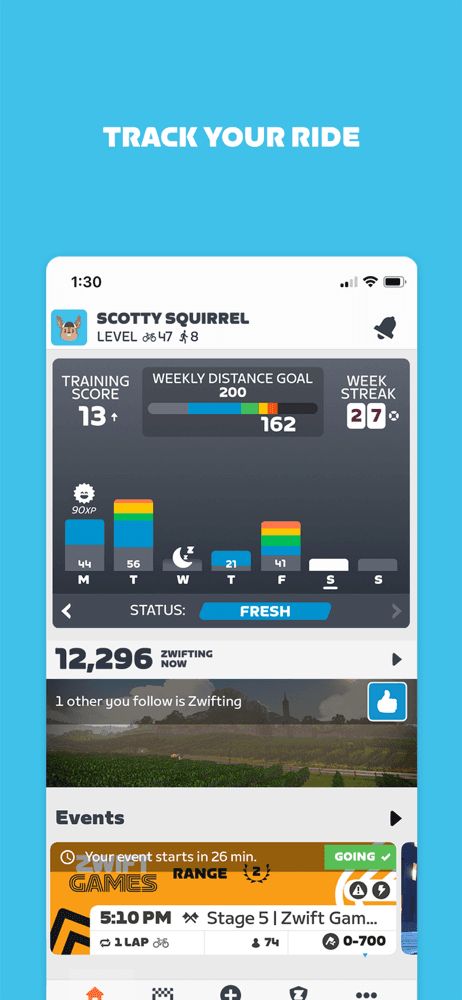
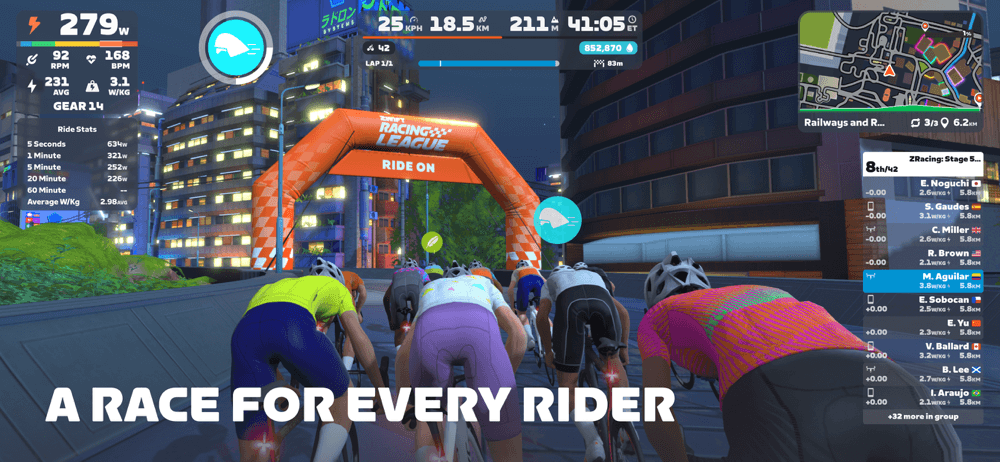
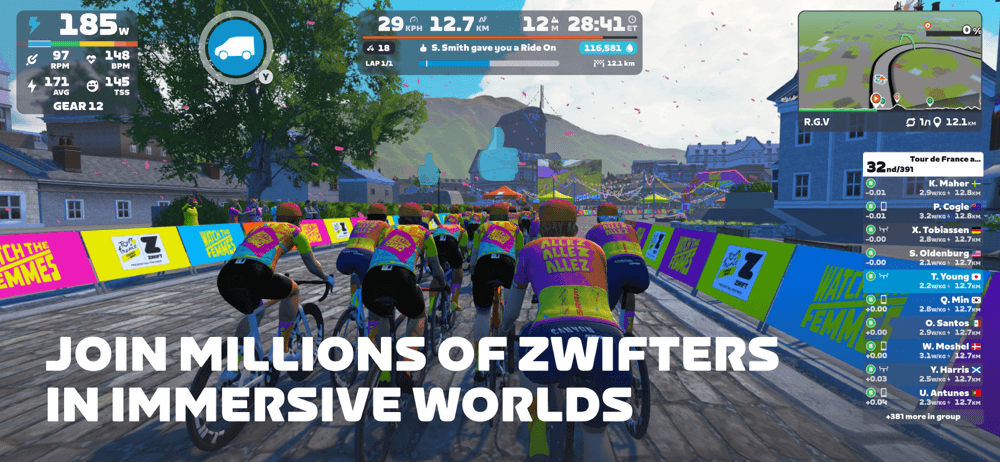
Zwift Companion is the iPhone partner app for Zwift's indoor cycling and running platform, and it earns 'Best for Indoor Treadmill' for runners who use the Zwift Run experience during winter or on rest-from-outdoor days. The Companion app handles in-game chat with other riders and runners, ride controls (changing your character's gear, taking selfies, sending ride messages), friend tracking, training stats, and bonus content while you are on the treadmill or trainer. It is not a standalone running app — you need the main Zwift app on Apple TV, PC, or Mac to actually train, with the iPhone Companion serving as a secondary screen. Reviewers in German and other languages praise the seamless integration with the larger Zwift ecosystem, which has the most polished indoor-fitness experience available on iOS. The companion runs free since Zwift's main revenue comes from the platform subscription itself. The honest knock is the same one that applies to all companion apps: it is only useful if you are already invested in the main platform, and the standalone value is zero. The 'so macht Zwift noch mehr Spaß' German subtitle (translating to 'this makes Zwift even more fun') reflects the intended positioning — it adds joy to an existing experience rather than creating one from scratch. If you have Zwift, this is essential. If you do not, skip it.
Pros
- Seamless integration with main Zwift platform for indoor running
- Essential companion for in-game chat, controls, and friend tracking
- Free download with no in-app purchases
Cons
- Not a standalone running app; requires main Zwift app on TV, PC, or Mac
- Useful only if already invested in the Zwift ecosystem
- 10
 Get on App Store
#10Zwift: Indoor Cycling FitnessBest for Social
Zwift, Inc
Workout, Ride and Race at Home
- Rating
- 4.7
- Reviews
- 21.3K
- Price
- Paid
- 90-day trend
- —
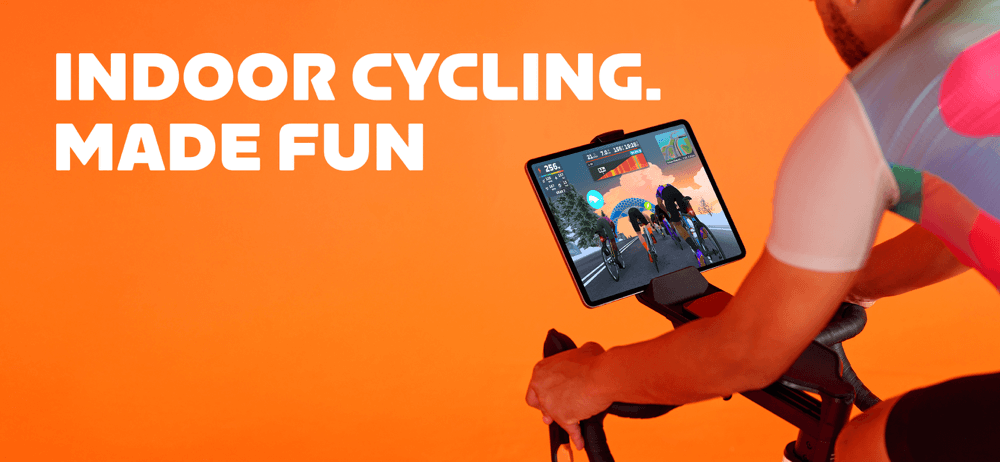
Zwift: Indoor Cycling Fitness is the main Zwift app and is included here for runners who use the Zwift Run treadmill platform alongside cycling — Zwift's running side has grown meaningfully since 2023 even though cycling remains the dominant use case. The 'Best for Social' superlative reflects Zwift's standout strength: the multiplayer world makes indoor training social in a way no other running app matches. You can run a virtual 5K race with friends on different continents in real time, with coaches calling out positions over voice chat and music from licensed tracks. Group workouts let you train alongside structured pace groups for marathon prep, with the visual avatar of other runners providing social motivation that solo treadmill training famously lacks. Pricing is around $20 per month, and you need a smart treadmill or foot pod (Stryd, Zwift's own RunPod) for the running experience to work — the running side requires extra hardware that cycling does not. The honest knock is that the running side of Zwift is much less developed than the cycling side — most users are cyclists, course design favors cycling routes, and Zwift's product investment has historically prioritized riders over runners. If you live somewhere with brutal winters and run primarily on a treadmill, Zwift Run is worth trying. For most outdoor runners, this is not the right app — stick with Strava or Nike Run Club for road running.
Pros
- Multiplayer virtual world makes indoor running genuinely social
- Real-time 5K races with friends on different continents
- Group workouts with structured pace groups for marathon prep
Cons
- Running side of Zwift is much less developed than cycling
- Requires smart treadmill or foot pod plus ~$20/month subscription


How we picked
## What we scored
We ranked apps on five dimensions: tracking accuracy, training program quality, social and motivation features, iPhone-without-watch experience, and value of the free tier. App Store ratings and recent review patterns set the floor for inclusion.
## Tracking accuracy
GPS accuracy on iPhone is mostly a function of hardware and conditions, not app choice — all serious running apps use the same GPS. We weighted apps that handle GPS gaps gracefully (pauses for tunnels, signal loss in urban canyons) and apps that import data from Apple Health and other devices without losing detail.
## Training programs
Apps that offer real coached programs (Couch to 5K, marathon plans, structured speed work) earned credit over apps that only track without guiding. Runna stands out for adaptive plans; Nike Run Club for celebrity-coached audio sessions; Couch to 5K for the most successful first-time runner program in the world.
## iPhone-only experience
We specifically checked how each app behaves when you run with only the iPhone in your pocket or armband — many runners do not own an Apple Watch. Apps that lock features behind Watch use were penalized. Apps that handle in-pocket GPS reliably were credited.
## What we did not test
We did not benchmark battery drain in controlled conditions; reviewer reports suggest Strava and Nike Run Club are slightly heavier than Apple Fitness. We did not certify training programs against athletic outcomes — that requires long-term outcome studies.
## Refresh
Reviewed every six months. Spring marathon season and back-to-school running uptake drive most ranking movement.