



Best Cycling Apps for iPhone
By App Store Tracker Editorial · Updated — live App Store data verified
The short version
Strava takes the top spot for the social graph and segment competition that keep most cyclists motivated. TrainerRoad is the gold standard for structured indoor and outdoor training plans, and Zwift owns the virtual indoor cycling experience. Komoot remains the strongest planner for adventure rides; Ride with GPS dominates real-world navigation for road riders. Cyclemeter and Fitmeter cover the power-user niche. None require a head unit, though a Wahoo or Garmin pairs with all of them. Most useful apps offer a real free tier.
Jump to a pick↓
Cycling apps split into three distinct categories: trackers that log your rides, planners that build routes before you ride, and training platforms that tell you what to do this week to get faster. The nine apps below cover all three. Strava is the social default — most cyclists end up there even if they prefer another tracker, because the community is where the kudos and segment competition live. TrainerRoad sits at the opposite end as the serious-training pick that does not care about social feeds. Zwift makes indoor riding genuinely fun and is the reason many cyclists make it through winter. We weighted apps on tracking accuracy, training-plan quality, navigation reliability, and how each handles the iPhone-only experience for riders without a Wahoo or Garmin head unit. Free tiers in this category are mostly real — Strava, Komoot, and Fitmeter all give you usable products without paying. Paid tiers matter when you want offline maps, structured training, or detailed analytics.
- Rating
- —
- Reviews
- —
- Price
- Paid
- 90-day trend
- —
Strava earns 'Best Overall' for the same reason it has held the position for years: the social graph and segment leaderboards are the gravitational center of the cycling app world. Even cyclists who prefer other trackers usually end up uploading to Strava because their friends are there. The 4.81 average across 356,000 reviews reflects sustained dominance and one of the largest cycling communities on any platform. The free tier covers basic tracking, the social feed, and post-ride analysis. Strava Premium (around $80 per year) unlocks segment leaderboards with full historical comparison, route discovery with global heatmaps, and detailed performance trends over months and years. The honest knocks span two categories. First, sustained data-loss complaints during long rides — one Apple Watch Series 3 reviewer described losing 15.2-mile rides that initially appeared correctly in Strava but were truncated when synced to Apple Health, suggesting integration bugs between Strava and iOS Health. Second, an aggressive free-trial-to-paid funnel that some users dispute, with reviewers describing difficulty accessing advertised trials without committing to a subscription. Wonky Apple Health integration affects a meaningful number of users; if you depend on Health for cross-app data, test the sync before committing to a Strava-first workflow. For most cyclists this is still the right default — the social side keeps you riding more often, which is the actual goal.
Pros
- Largest cycling social graph and segment competition on iPhone
- Free tier covers tracking, social feed, and basic analysis without paywall
- Premium unlocks route discovery with global heatmaps and segment leaderboards
Cons
- Wonky Apple Health integration truncates ride distances for some users
- Aggressive free-trial-to-paid funnel that some reviewers dispute
- 2Get on App Store
#2Map My Ride With GPS TrackerBest for Commuting
Outside Television Inc
Plan & Track Cycling Routes
- Rating
- 4.8
- Reviews
- 248.9K
- Price
- Paid
- 90-day trend
- —
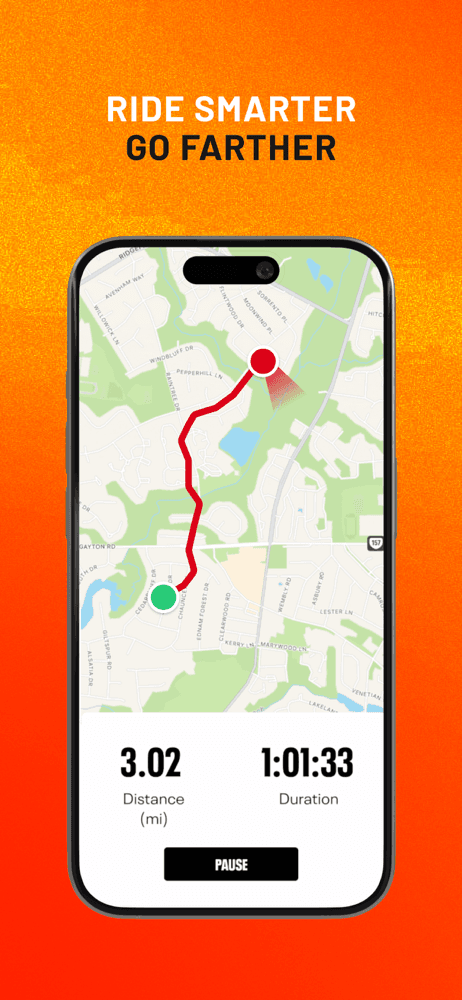
MapMyRide earns 'Best for Commuting' through its multi-year history as a reliable workhorse and its Under Armour ecosystem integration. The app handles route logging, basic analytics, GPS tracking, and integrates with MapMyRun and MapMyFitness for cyclists who also run. The 4.83 rating across 244,000 reviews reflects a deep installed base that has stuck with the app for years, often longer than they have stuck with Strava. The free tier covers basic tracking and route logging without aggressive paywalls. The paid MVP tier (around $30 per year) unlocks training plans and detailed analysis. Honest knocks include training-plan bugs in the paid tier (reviewers report workouts getting deleted or modified mid-cycle) and a mobile experience that feels less polished than Strava's mobile-first design. The website-first design philosophy means deeper analysis still requires desktop access, which feels old-fashioned in a category that has moved primarily to mobile. The Under Armour ownership creates ecosystem pressure for users to consider Under Armour gear, though the app itself does not push hardware aggressively. Best for commuters and casual cyclists who already have multi-year history in the Under Armour ecosystem; new cyclists will probably be happier on Strava or Komoot.
Pros
- Multi-year history with deep installed base of commuter cyclists
- Under Armour ecosystem syncs with MapMyRun and MapMyFitness
- Free tier covers basic tracking and route logging without aggressive paywall
Cons
- MVP paid tier has documented bugs around training-plan deletions
- Mobile experience feels less polished than mobile-first Strava
- Rating
- 4.9
- Reviews
- 21.4K
- Price
- Paid
- 90-day trend
- —
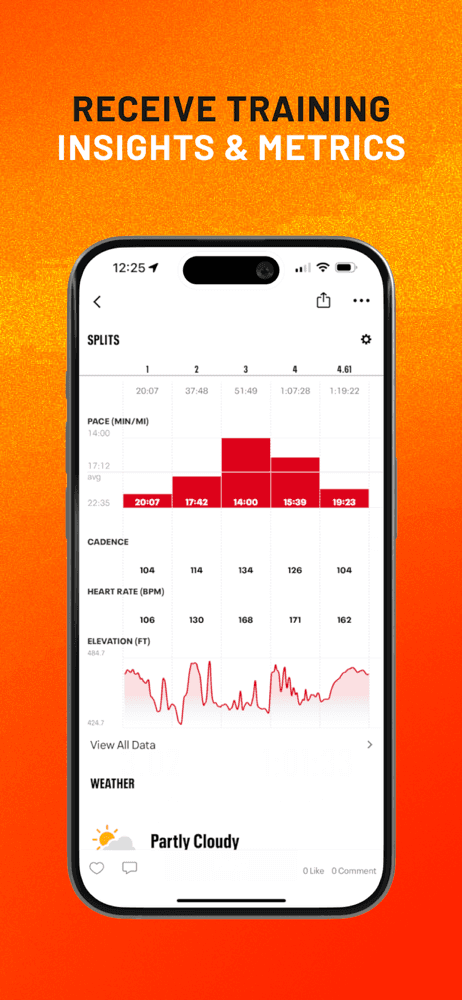
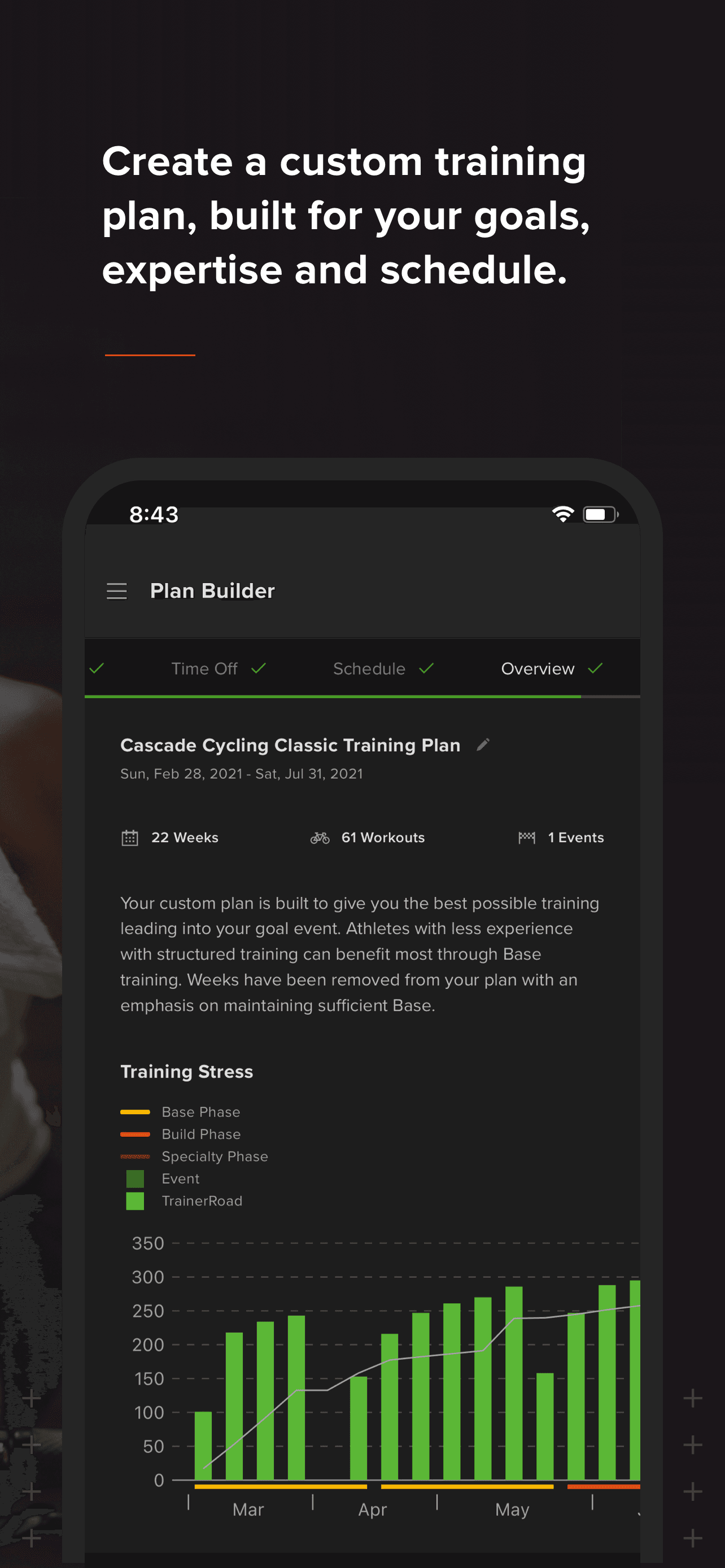
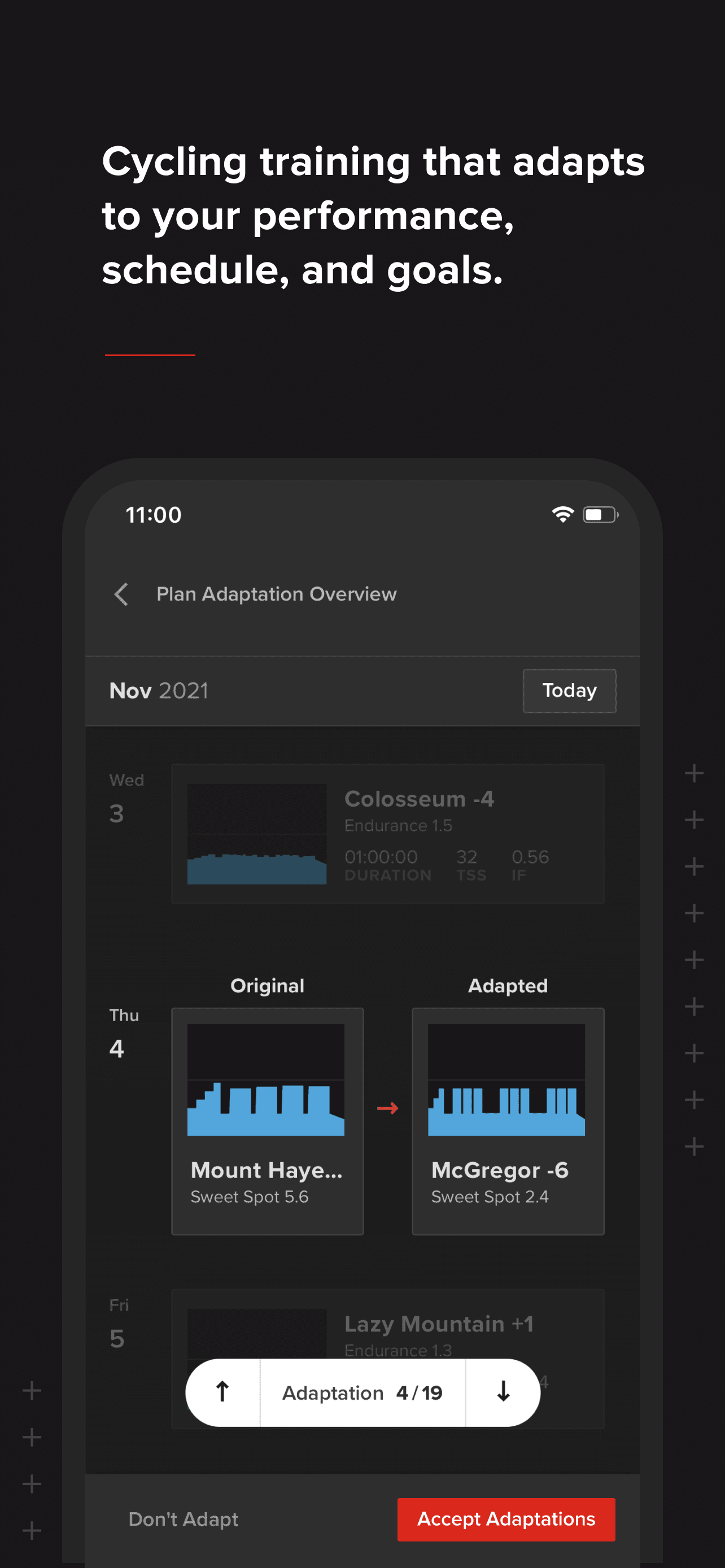
TrainerRoad earns 'Best for Power Users' as the category's most respected structured-training platform for cyclists who want to get measurably faster. Adaptive Training adjusts workouts week by week based on your actual performance — if you crushed yesterday's intervals, today gets harder; if you struggled, today gets easier. The 4.89 rating across 21,000 reviews is one of the highest in this list and reflects strong product-market fit with serious cyclists who treat training as a long-term investment. The platform supports smart trainers (Wahoo Kickr, Tacx, Saris) via ANT+ and Bluetooth, and pairs with power meters, heart-rate monitors, and cadence sensors. Plans cover criterium racing, century rides, gran fondos, and triathlons. There is no free tier — TrainerRoad offers a 30-day risk-free trial then $20 per month or $190 per year. Honest knocks are narrow. First, the interface is unapologetically functional rather than beautiful — TrainerRoad invests in algorithm quality over visual design, which is the right call for the audience. Second, the social side is minimal; if you want kudos and segment competition, use Strava alongside TrainerRoad. Third, the platform is cycling-first; runners and triathletes get less attention than cyclists do. Best for cyclists training for a specific event who want algorithmic plan adjustment without paying for a human coach.
Pros
- Adaptive Training adjusts workouts week by week based on actual performance
- 4.89 rating reflects strongest product-market fit with serious cyclists
- Deep smart-trainer and power-meter integration via ANT+ and Bluetooth
Cons
- No social features; pair with Strava if you want kudos and segments
- Cycling-first; runners and triathletes get less product investment
- Rating
- 4.7
- Reviews
- 37.7K
- Price
- Paid
- 90-day trend
- —
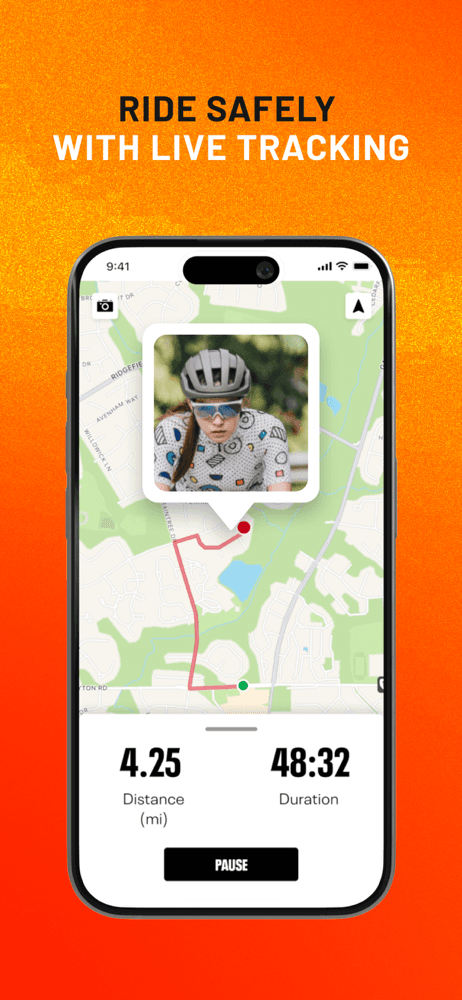
Ride with GPS earns 'Best for Routes' through the strongest real-world cycling navigation on iPhone. The route planner builds turn-by-turn directions optimized for cyclists, with surface preferences (paved versus gravel), elevation profiles, and community heatmaps showing where other riders actually go. Live tracking lets you share your position with friends or family during a ride. The 4.74 rating across 28,000 reviews reflects strong satisfaction among the road-cycling community, which is more navigation-dependent than the typical fitness app user base. The free tier covers basic ride logging and route viewing; Premium unlocks offline maps, navigation, and ride-with-friends features at around $80 per year. Honest knocks include limited social features compared to Strava (Ride with GPS is intentionally a navigation app, not a community platform) and pricing that is high for users who only want the navigation feature occasionally. Hardware integration with Wahoo and Garmin is excellent — many cyclists plan routes on Ride with GPS and ride them on a head unit. For pure road riding, gravel, and bikepacking navigation, this is the strongest pick on iPhone. Use it alongside Strava if you want the social side too; the workflow of plan-on-Ride-with-GPS, ride, upload-to-Strava is a common pattern in serious cycling.
Pros
- Strongest turn-by-turn cycling navigation on iPhone for road and gravel
- Live tracking lets friends and family follow your ride in real time
- Hardware integration with Wahoo and Garmin head units works cleanly
Cons
- Limited social features compared to Strava; pair the two for full coverage
- Premium pricing at ~$80/year is high if you only need navigation occasionally
- 5
 Get on App Store
#5Zwift: Indoor Cycling FitnessBest Indoor Training
Zwift, Inc
Workout, Ride and Race at Home
- Rating
- 4.7
- Reviews
- 21.4K
- Price
- Paid
- 90-day trend
- —
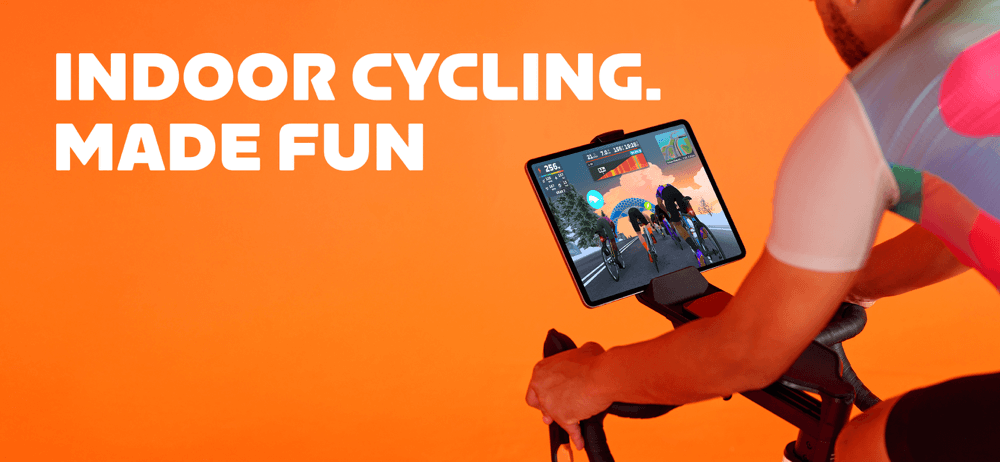
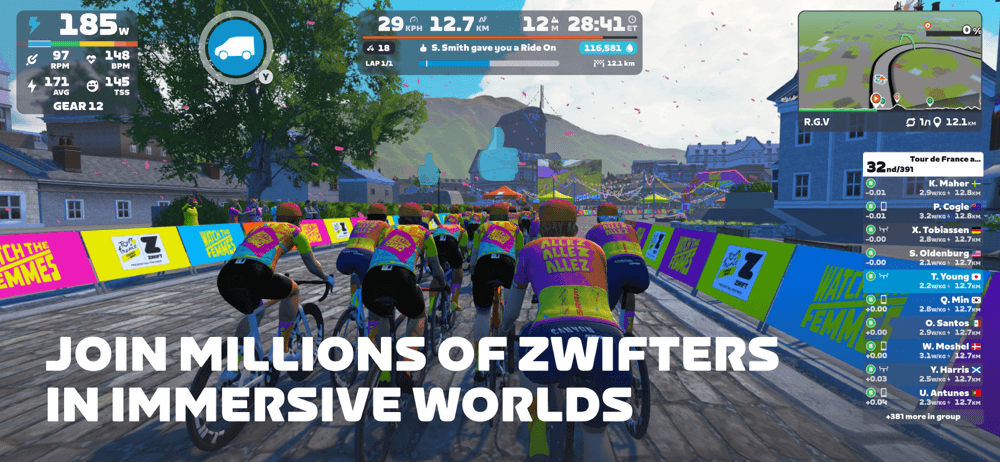
Zwift earns 'Best Indoor Training' as the category's leader for virtual indoor cycling and the reason many cyclists make it through winter. The 3D virtual worlds (Watopia, France, London, New York) make hour-long trainer sessions genuinely engaging in a way structured workouts on TrainerRoad are not. Group rides, races, and structured workouts with avatars of other riders give indoor cycling a social dimension that solo trainer sessions famously lack. The 4.74 rating across 21,000 reviews reflects strong product-market fit with the indoor-cycling audience. Hardware compatibility covers the major smart trainers (Wahoo Kickr, Tacx Neo, Saris H3) and the more basic 'classic' trainer setups via the Zwift Click or RunPod. Pricing is around $20 per month with no free tier beyond limited demo time. The honest knocks split into two. First, Zwift requires real hardware — a smart trainer or at minimum a speed/cadence sensor — to be useful, which is a meaningful upfront cost on top of the subscription. Second, the running side of Zwift remains less developed than cycling despite years of investment; cyclists are the primary audience and product investment reflects that. Best for cyclists with brutal winters, busy schedules that prevent long outdoor rides, or those training for a specific event who want structured indoor work without the boredom of solo trainer sessions.
Pros
- Virtual 3D worlds make indoor cycling genuinely fun for long sessions
- Group rides and races with avatars from other continents in real time
- Hardware compatibility covers all major smart trainers
Cons
- Requires smart trainer or speed/cadence sensor as upfront hardware cost
- Running side remains less developed than cycling despite years of investment

- 6
 Get on App Store
#6Cyclemeter Cycling GPS TrackerBest for Strava Lovers
Abvio Inc.
Track, Trail & Mountain Biking
- Rating
- 4.7
- Reviews
- 18.4K
- Price
- Paid
- 90-day trend
- —
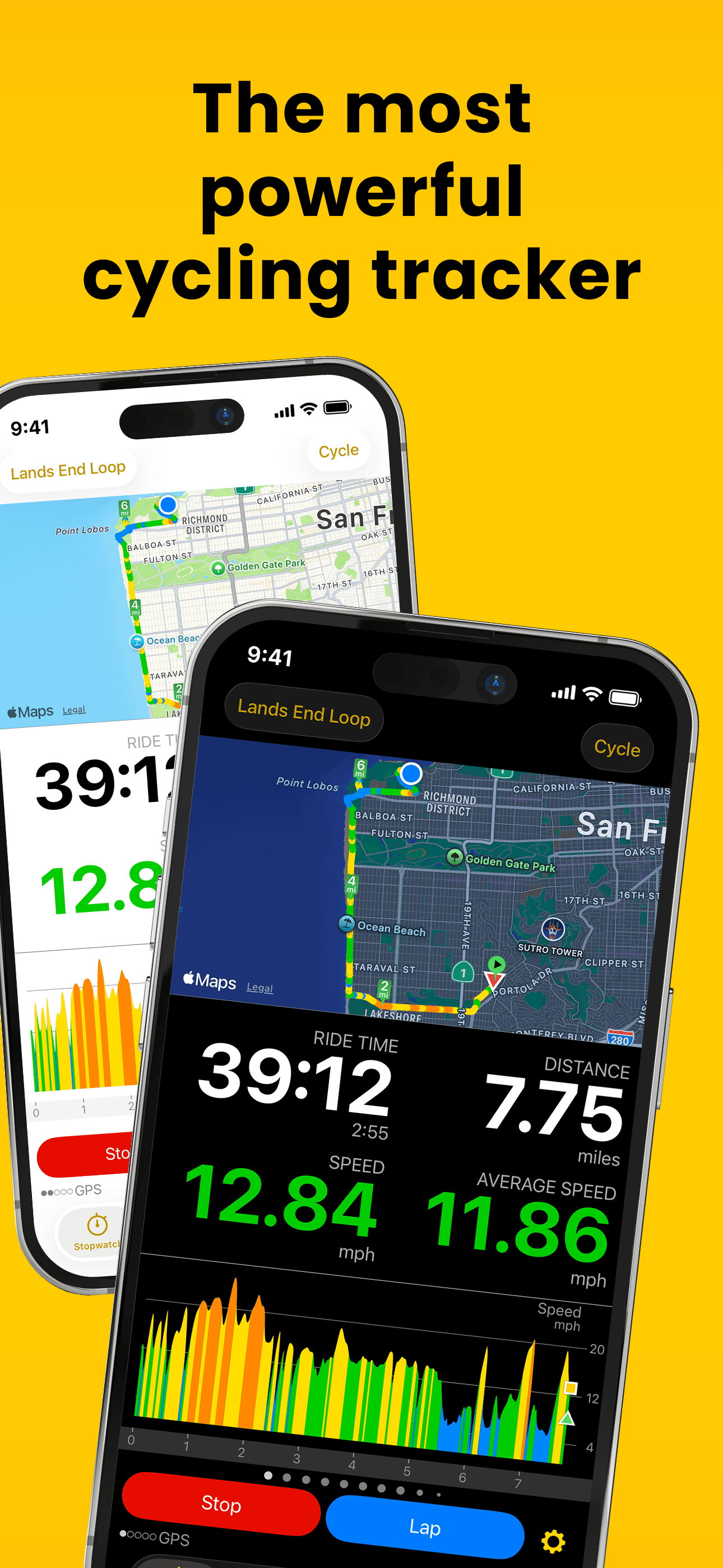
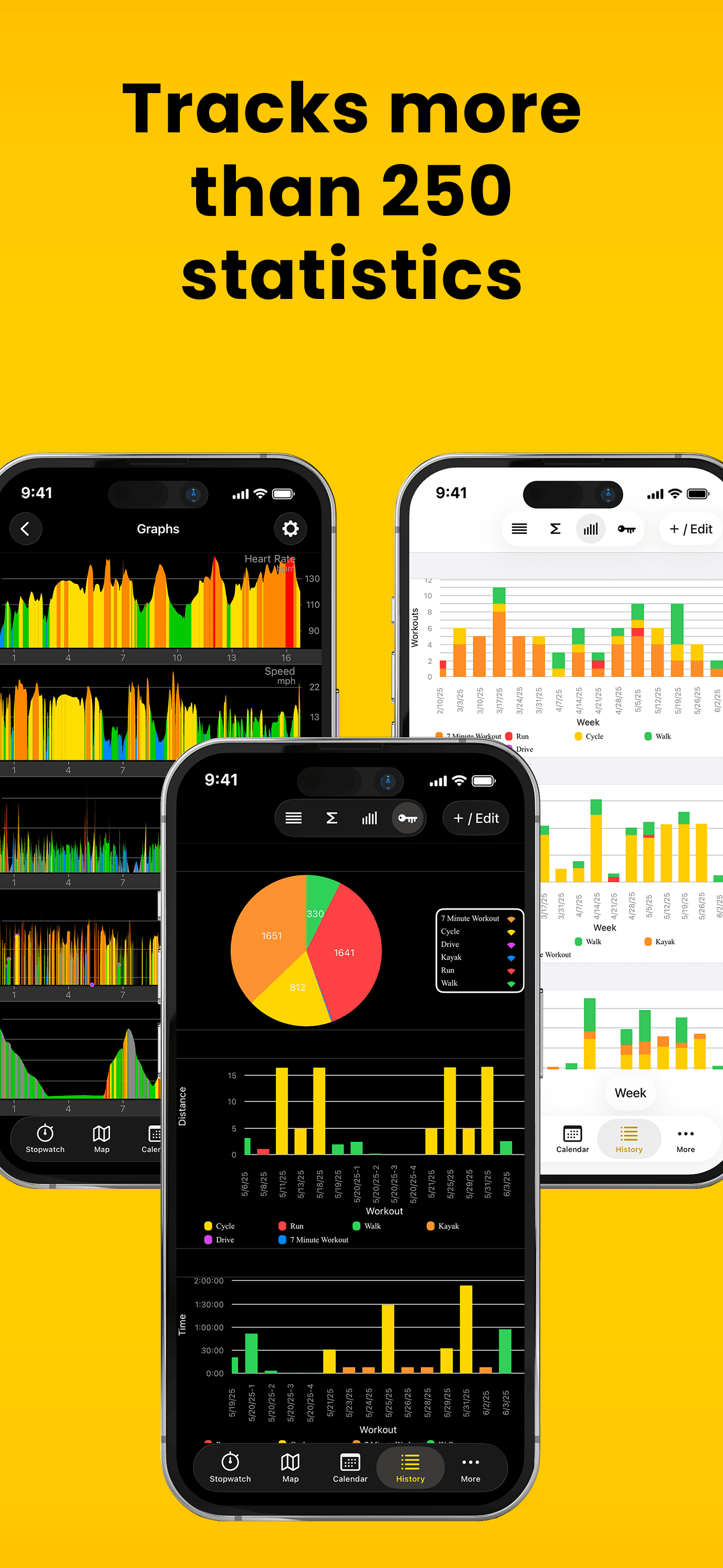
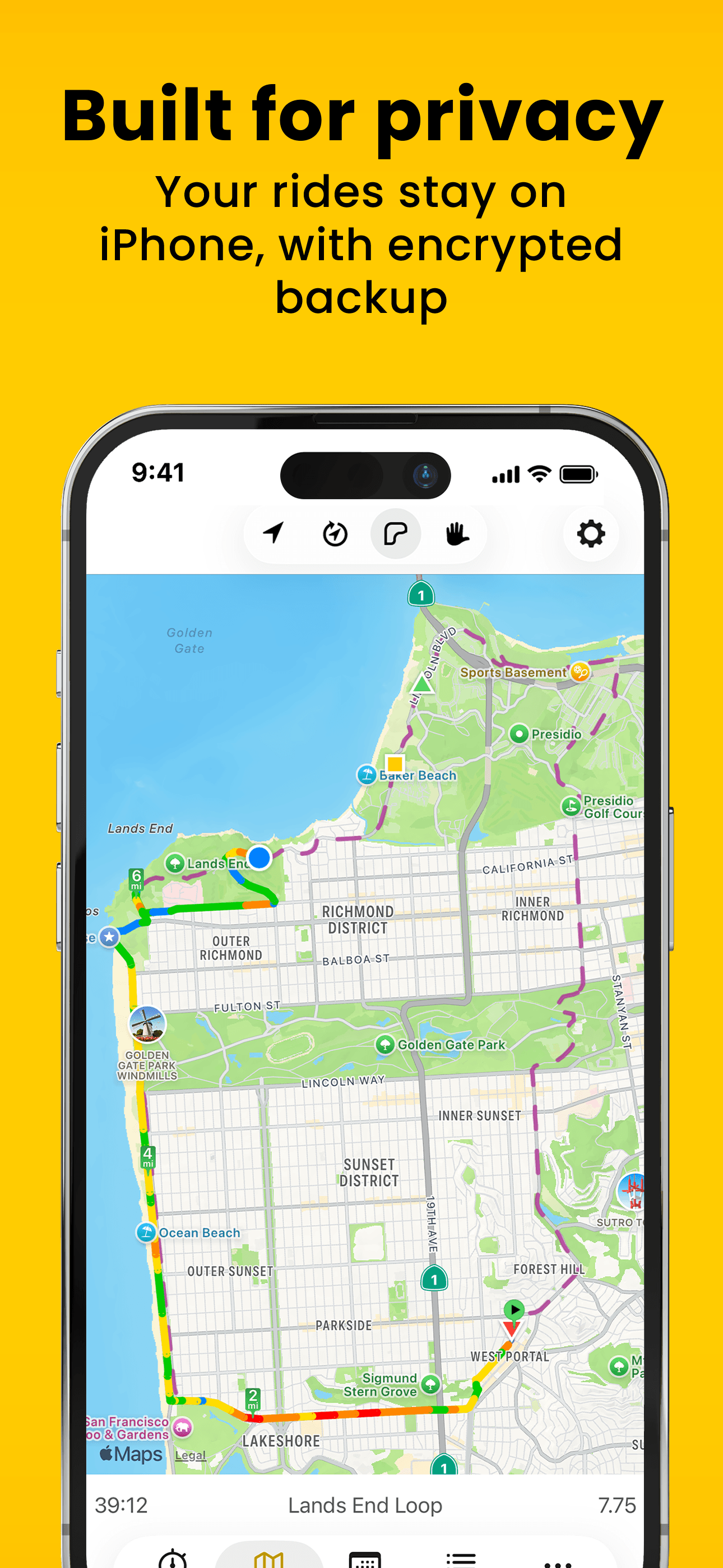
Cyclemeter earns 'Best for Strava Lovers' through its deep customization, multi-sport support, and reliable Strava sync. From Abvio Inc. (also Walkmeter and Runmeter), Cyclemeter offers obsessively configurable stat screens, splits, intervals, training zones, and announcements that other apps gloss over. The 4.74 rating across 17,000 reviews reflects a self-selecting power-user base who explicitly want this depth. Live tracking is free; the Elite subscription (around $30 per year with a 7-day trial) unlocks advanced features. The app exports cleanly to GPX, TCX, FIT, KML, and CSV — among the best export options in the category. Honest knocks include a UI that feels engineered for power users rather than casual cyclists, with a learning curve that is genuinely steep. New cyclists who pick up Cyclemeter expecting Strava simplicity often abandon it before discovering its strengths. The Apple Watch app is competitive, with standalone tracking and configurable screens. iCloud sync between iPhone, iPad, and Watch works reliably for users with multiple devices. Best for cyclists who also run or hike (use the matching Abvio apps for one consistent interface across activities), and for riders who want their data portable to other platforms via the strong export options. Use alongside Strava for the social side rather than instead of it.
Pros
- Obsessively configurable stat screens, splits, intervals, and announcements
- Strong GPX/TCX/FIT/KML export keeps your data portable
- iCloud sync across iPhone, iPad, and Apple Watch works reliably
Cons
- Steep learning curve discourages casual cyclists who want Strava simplicity
- UI feels engineered for power users rather than polished for new riders
- Rating
- 4.8
- Reviews
- 12.9K
- Price
- Paid
- 90-day trend
- —
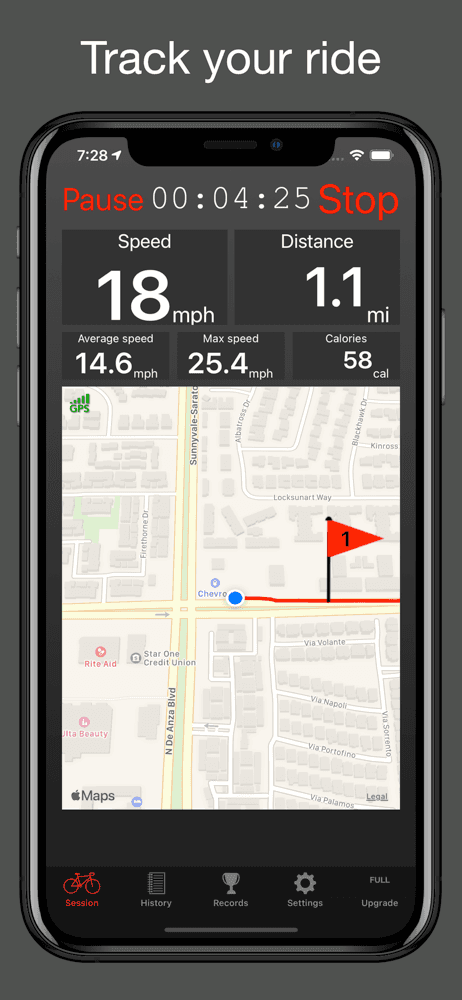
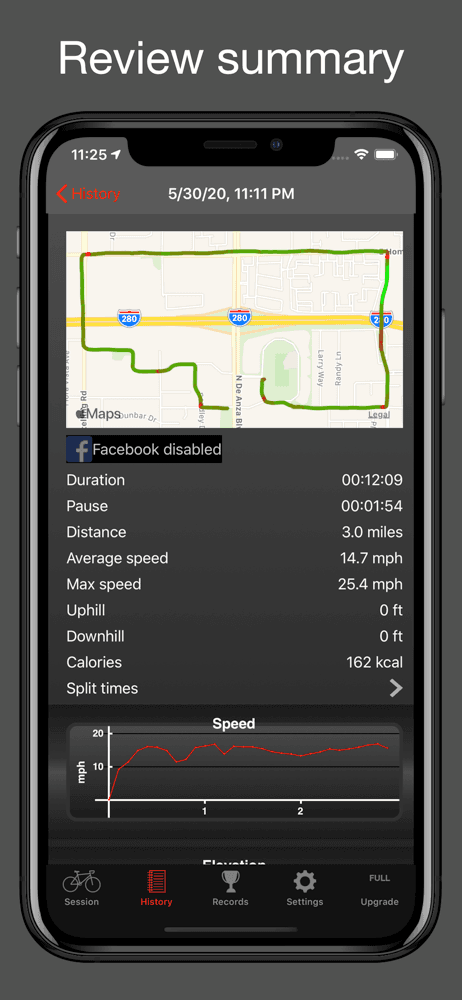
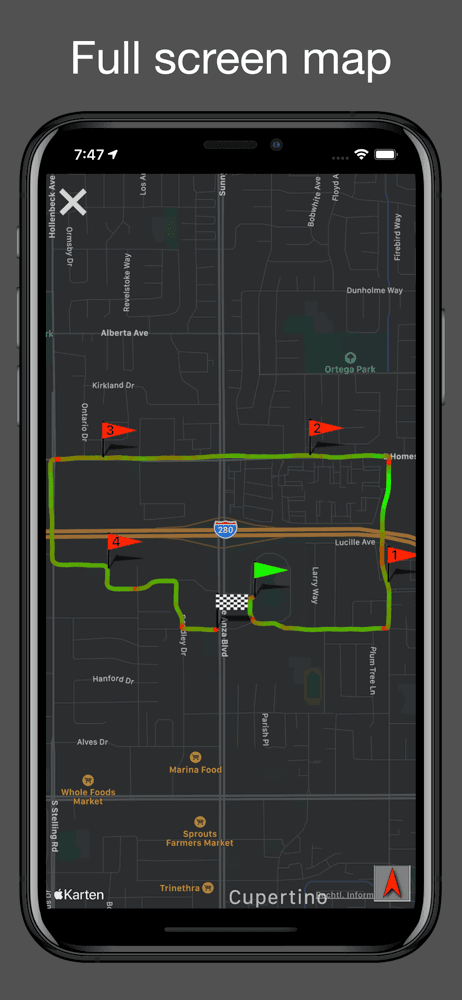
Fitmeter Bike Basic earns 'Best Free' through a genuinely capable free tier that turns your iPhone into a credible bike computer without subscription. Distance, speed, elevation, cadence (with a sensor), heart rate (with a sensor), training zones, and audio cues all work on the free version. The 4.77 rating across 12,800 reviews reflects strong satisfaction in the indie-app cycling category, which competes against larger commercial alternatives by undercutting them on price. The app has been developed by Volker Schueppel for years and feels like a labor of love rather than a venture-backed product. Honest knocks are two. First, the interface is dated compared to modern alternatives like Strava — this is a power-user tool that prioritizes function over polish. Second, social features are minimal; Fitmeter is for solo riders who want a bike computer on their phone, not a community platform. The Premium version (around $20 per year) unlocks advanced features like power-meter support and detailed analytics, which is genuinely cheaper than competitors. Best for budget-conscious cyclists who want a real bike-computer experience on iPhone without committing to a monthly subscription. Use Strava alongside for the social side and to back up your rides to a cloud service.
Pros
- Genuinely capable free tier turns iPhone into a credible bike computer
- Premium tier at ~$20/year is significantly cheaper than competitors
- Indie developer with sustained investment over many years
Cons
- Interface feels dated compared to modern commercial alternatives
- Minimal social features; works as solo bike computer rather than community
- 8
 Get on App Store
#8TrainingPeaks: Plan Train LiftBest Community
Peaksware, LLC
Triathlon, Cycling, Running
- Rating
- 4.7
- Reviews
- 12.7K
- Price
- Paid
- 90-day trend
- —
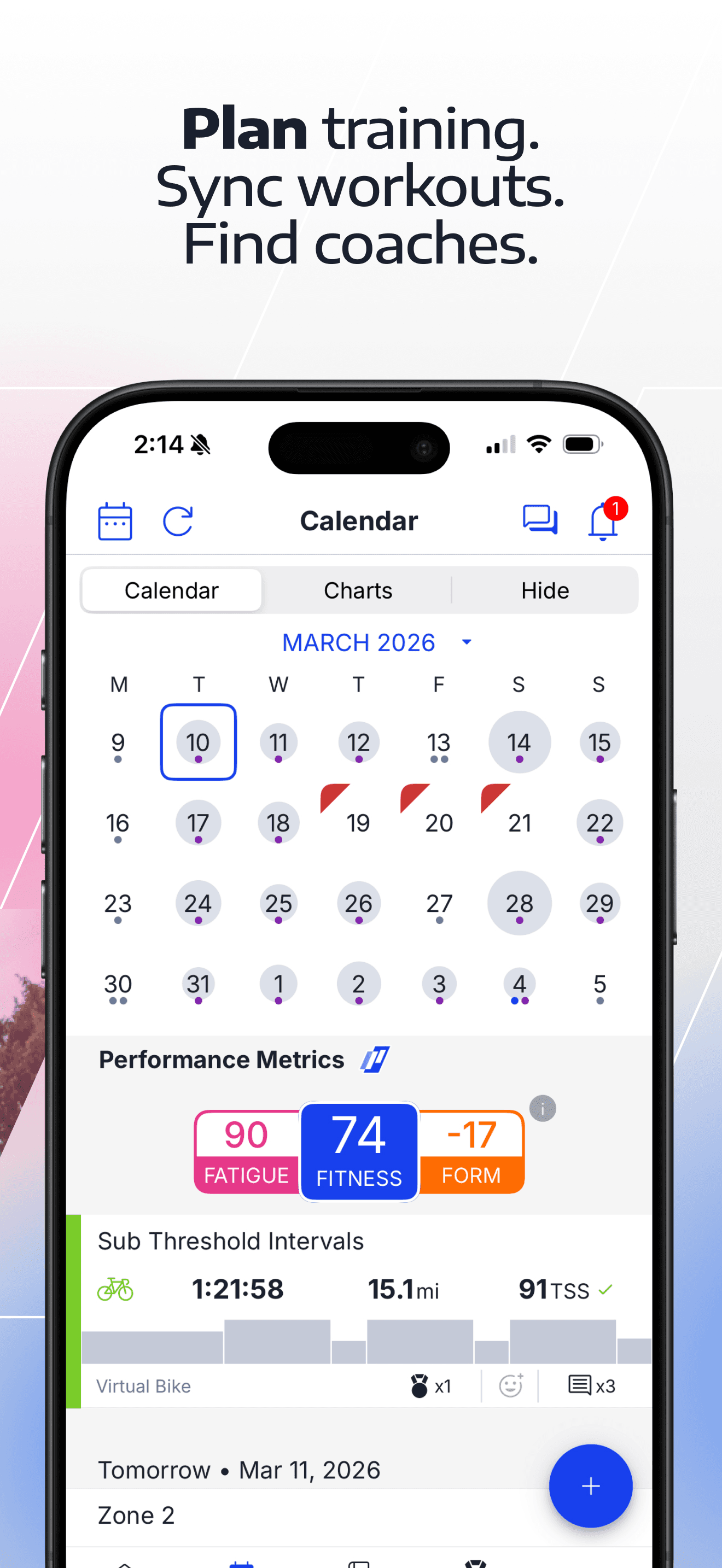
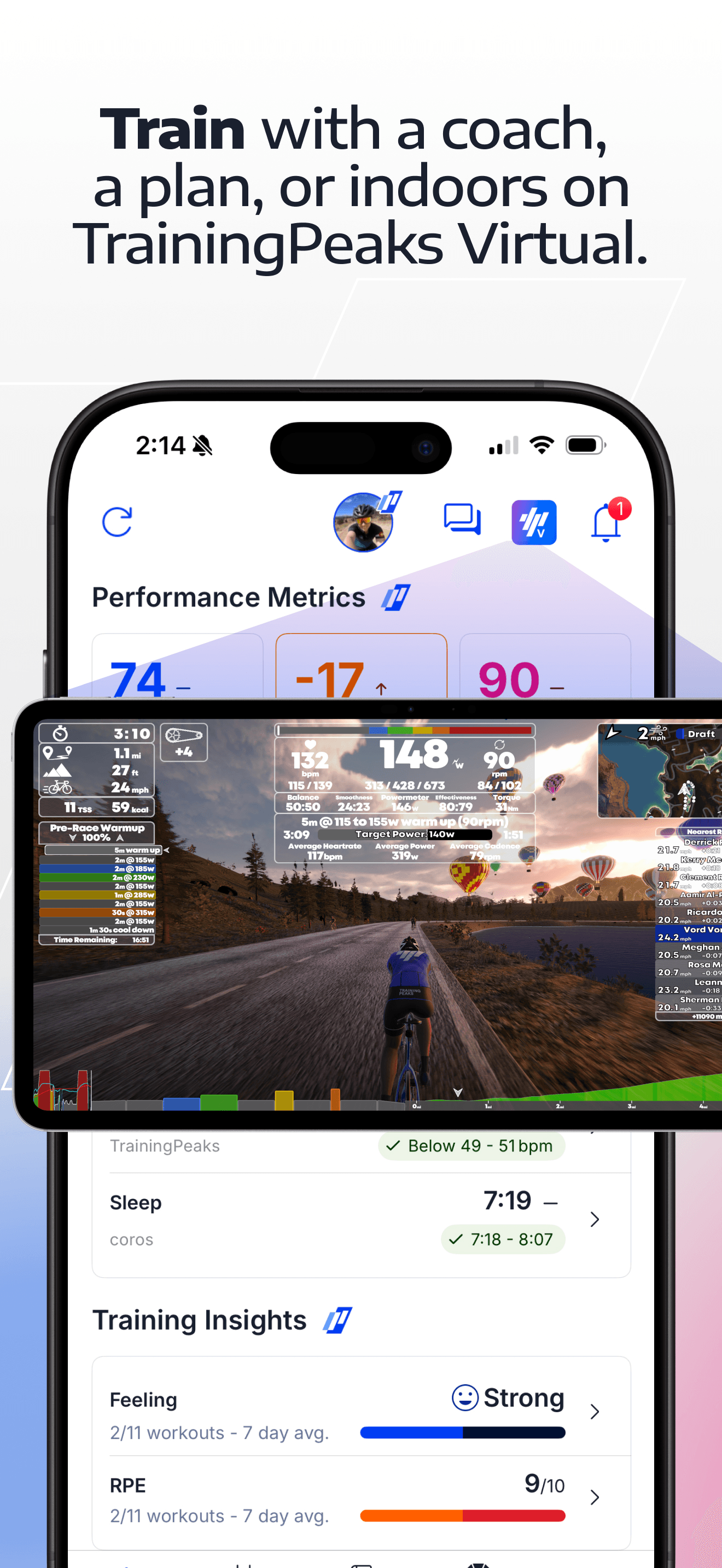
TrainingPeaks earns 'Best for Power Users' (alongside Cyclemeter's similar superlative claim) as the platform of choice for cyclists who work with human coaches. The platform's core use case is coach-to-athlete workout assignment — your coach builds your weekly training in TrainingPeaks, you complete the workouts, and the platform analyzes your performance for the next round of planning. The 4.71 rating across 12,500 reviews reflects a coached-athlete user base that values the platform for what it does rather than how it feels. Pricing splits between free Basic (limited features), Premium for self-coached athletes (around $20 per month), and various coach-pricing tiers. Honest knocks include an interface that feels engineered for desktop coaches rather than mobile athletes — many cyclists complete workouts via TrainerRoad or Wahoo and only check TrainingPeaks weekly for the coach's planning view. Second, the platform is more useful with a coach than without; self-coached athletes often find TrainerRoad or Wahoo SYSTM more cost-effective. Third, the Premium tier feels expensive for self-coached athletes who do not use the coach-collaboration features. Best for cyclists who already work with a coach who uses TrainingPeaks; self-coached athletes will get more for their money on TrainerRoad. The platform's strength is in the coach relationship, not in the standalone product.
Pros
- Industry-standard platform for coach-to-athlete workout assignment
- Deep analytics for cyclists who already work with a human coach
- Apple Health, Wahoo, Garmin integration for automatic data sync
Cons
- Interface engineered for desktop coaches rather than mobile athletes
- Premium tier feels expensive for self-coached athletes vs TrainerRoad
- Rating
- 4.7
- Reviews
- 9.5K
- Price
- Paid
- 90-day trend
- —
Komoot earns 'Best for Mountain Biking' (and is the strongest planner across cycling disciplines) through European-style route data, terrain awareness, and turn-by-turn voice navigation that works on iPhone alone without a head unit. The route planner optimizes for road cycling, mountain biking, or touring depending on what you pick — singletrack for MTB, smooth asphalt for road, low-traffic roads for touring. The 'Highlights' system surfaces community-recommended segments along your planned route, which makes adventure-ride planning genuinely fun rather than mechanical. The 4.71 rating across 7,600 reviews reflects strong satisfaction in the route-planning category. Komoot's free tier gives one region forever; expansion packs cover larger areas or the World Pack at varying prices. The honest knocks are pricing complexity (the expansion-pack model versus a subscription confuses some users) and a route algorithm that occasionally suggests unrideable paths on remote MTB trails. The brand is strongest in Europe but US coverage has improved significantly over the last three years. Apple Watch integration handles directions, distance, and speed on the wrist. Best for adventure cyclists, bikepackers, gravel riders, and mountain bikers who want a planner that understands terrain rather than just plotting GPS lines. Used alongside Strava for the social side this is one of the strongest cycling pairings on iPhone.
Pros
- Strongest route planner for adventure riding, bikepacking, and MTB
- Turn-by-turn voice navigation works on iPhone alone without a head unit
- Community Highlights surface real trail and route recommendations
Cons
- Expansion-pack pricing model confuses some users versus a subscription
- Route algorithm occasionally suggests unrideable paths on remote MTB trails


How we picked
## What we scored
We ranked apps on five dimensions: GPS tracking accuracy, route-planning depth, training-plan quality, value of the free tier, and integration with cycling hardware (Wahoo, Garmin, smart trainers, power meters). App Store ratings and review patterns set the floor for inclusion.
## Tracking accuracy
GPS accuracy on iPhone is mostly a function of hardware and conditions, not app choice — all serious cycling apps use the same GPS chip. We weighted apps that handle GPS gaps gracefully (tunnels, urban canyons, dense forest cover) and apps that import cleanly from Apple Health, Garmin Connect, and Wahoo without losing detail.
## Training programs
Apps that offer real coached programs (FTP-based plans, sweet-spot blocks, periodized base building) earned credit over apps that only track without guiding. TrainerRoad's Adaptive Training is the deepest in the category; TrainingPeaks is the platform of choice for cyclists who work with human coaches.
## Navigation
Real-world navigation matters more for cyclists than for runners because rides cover longer distances over more varied terrain. Ride with GPS and Komoot are the strongest dedicated route navigators on iPhone, with turn-by-turn voice cues that work without a head unit.
## What we did not test
We did not benchmark battery drain in controlled conditions; expect 10 to 20 percent battery drain per hour with GPS and screen on. We did not certify training programs against power gains — that requires long-term outcome studies. Indoor-trainer compatibility varies by trainer model; check your specific Wahoo, Kickr, or Tacx model against the app's compatibility page before subscribing.
## Refresh
Reviewed every six months. Race season (April through September in the northern hemisphere) drives most ranking movement.